EXPERT TIPS
& ADVICE

Whether you want to learn more about pool care - or you're simply interested in the latest pool products - the Clear Estates Pool Care blog has got you covered. Discover expert advice, DIY, buying guides, and easy-to-follow "how to's" - all here in one handy place.

Expert Tips & Advice

I'M INTERESTED IN

EXPERT ADVICE BY TOPIC

13 items found

EXPERT ADVICE BY TOPIC

For optimal pool health and cleanliness, we recommend weekly pool maintenance. This ensures your pool stays clean, chemicals are properly balanced, and any potential issues are caught early. However, during peak swimming season or heavy usage, you may need more frequent service.

View all Pool Maintenance & Care FAQs →

Water Quality & Health

What chemicals does my pool need?

Your pool needs several key chemicals to stay balanced and safe:

  • Chlorine: Kills bacteria and algae (maintain 1-3 ppm)
  • pH Balancer: Keeps water comfortable (ideal range 7.2-7.6)
  • Alkalinity: Prevents pH swings (maintain 80-120 ppm)
  • Calcium Hardness: Prevents corrosion (200-400 ppm)
  • Cyanuric Acid: Stabilizes chlorine in outdoor pools (30-50 ppm)

Our weekly service includes testing and balancing all these chemicals for you.

View all Water Quality & Health FAQs →

Our comprehensive weekly maintenance includes:

  • Skimming and removing debris from the surface
  • Vacuuming the pool floor and walls
  • Brushing tile and walls to prevent algae
  • Water chemistry testing
  • Chemical balancing
  • Filter cleaning and backwashing when needed
  • Equipment inspection
  • Detailed service reports via email

View all Pool Maintenance & Care FAQs →

Cloudy pool water can be caused by several factors:

  • Poor filtration: Clean or backwash your filter
  • Chemical imbalance: Low chlorine or incorrect pH levels
  • High calcium hardness: May require professional treatment
  • Algae growth: Early stages before water turns green
  • High bather load: Too many swimmers without proper chemical adjustment

If your pool is cloudy, contact us for immediate service. We can diagnose and fix the issue quickly.

View all Pool Troubleshooting FAQs →

Filter cleaning frequency depends on your filter type:

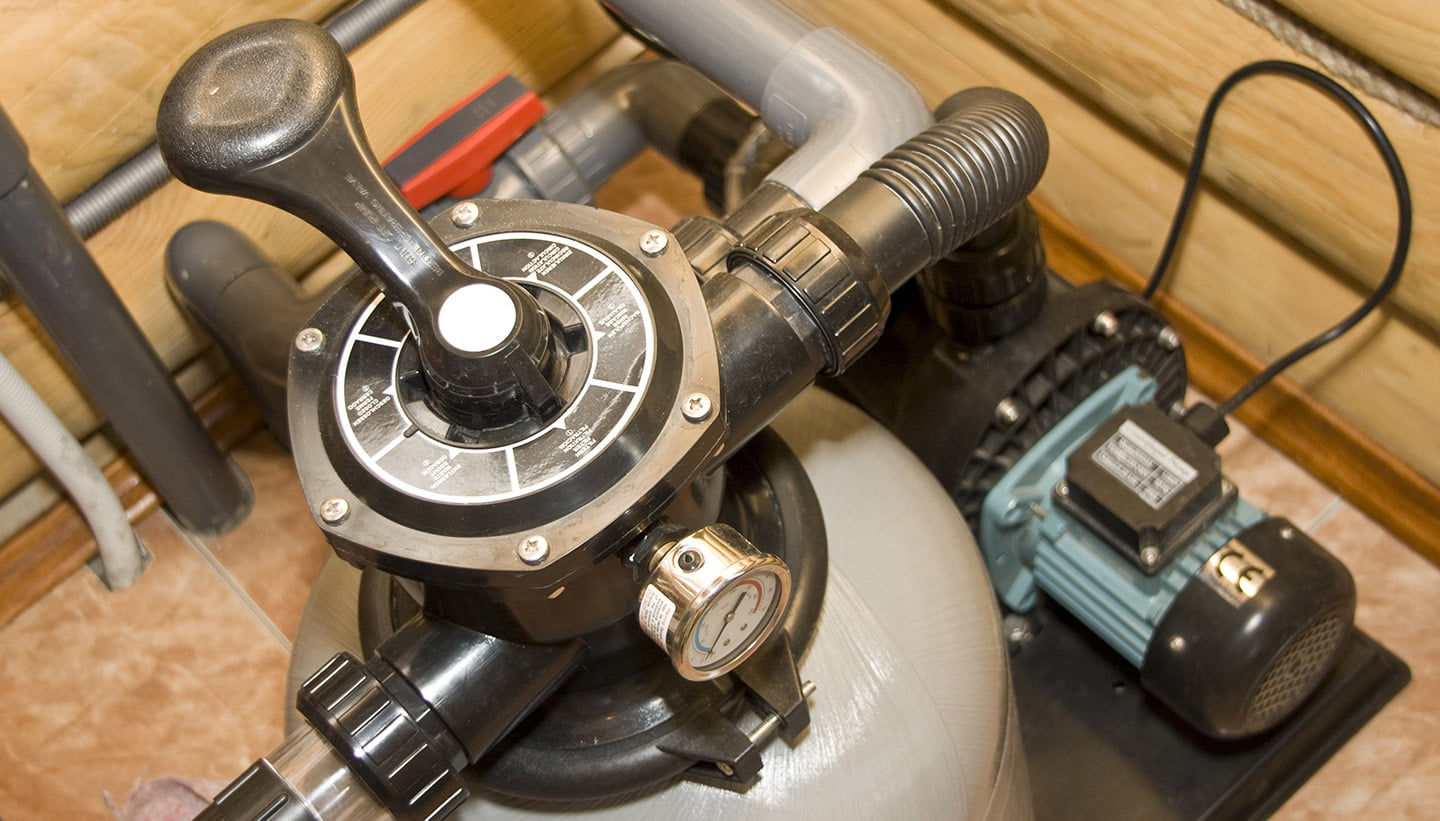
  • Sand filters: Backwash when pressure gauge reads 8-10 psi above normal (typically every 2-4 weeks)
  • Cartridge filters: Clean every 2-4 weeks or when pressure increases
  • DE (Diatomaceous Earth) filters: Backwash monthly and recharge with DE powder

Our weekly service includes checking filter pressure and cleaning when necessary. We'll notify you if your filter needs attention.

View all Pool Equipment FAQs →

It depends on the chemical:

  • Chlorine: Wait 30 minutes to 1 hour after adding
  • pH adjusters: Wait 1 hour after adding
  • Shock treatment: Wait 8-24 hours depending on chlorine level
  • Algaecide: Wait 15-30 minutes

Always test your water before swimming. If chlorine levels are above 5 ppm, wait until they drop to safe levels (1-3 ppm).

View all Water Quality & Health FAQs →

No, you don't need to be home! Our technicians are fully trained and can access your pool area independently. We'll send you a detailed service report via email after each visit, so you'll know exactly what was done. If we encounter any issues or need to discuss something, we'll contact you directly.

View all Pool Maintenance & Care FAQs →

Green algae indicates an algae bloom, usually caused by:

  • Low or no chlorine in the water
  • Poor circulation or filtration
  • Imbalanced pH levels
  • Warm water temperatures

Immediate steps:

  1. Test and balance your chemicals (especially chlorine and pH)
  2. Brush all pool surfaces vigorously
  3. Run your filter continuously for 24-48 hours
  4. Shock the pool with chlorine
  5. Vacuum dead algae after it settles

For severe cases, contact us for emergency algae treatment service. We can have your pool clear in 24-48 hours.

View all Pool Troubleshooting FAQs →

As a general rule, run your pump long enough to circulate all the water in your pool at least once per day. This typically means:

  • Summer months: 8-12 hours per day
  • Spring/Fall: 6-8 hours per day
  • Winter: 4-6 hours per day (if pool is open)

Factors that affect runtime include pool size, pump size, and usage. During hot weather or heavy use, you may need to run it longer. We can help you determine the optimal schedule for your specific pool.

View all Pool Equipment FAQs →

Pool Opening (Spring): Preparing your pool for the swimming season by removing the cover, cleaning debris, refilling water, starting equipment, balancing chemicals, and ensuring everything is safe and ready to use.

Pool Closing (Fall/Winter): Winterizing your pool by balancing chemicals, lowering water level, draining equipment, installing the cover, and protecting equipment from freezing temperatures.

We offer both opening and closing services to ensure your pool is properly maintained year-round.

View all Pool Maintenance & Care FAQs →

Some water loss is normal due to evaporation and splashing, but excessive loss indicates a leak. Normal evaporation is about 1/4 to 1/2 inch per day in summer.

Signs of a leak:

  • Water level drops more than 1/2 inch per day
  • Constantly need to add water
  • Wet spots around the pool
  • Increased water bills

If you suspect a leak, contact us immediately. We can perform leak detection and repair services to save you water and money.

View all Pool Troubleshooting FAQs →

Find Your Nearest Location

FIND YOUR NEAREST LOCATION